Thursday, 3 November 2022

E-commerce chatbots: Every little thing you require to know about making use of chatbots to expand your online business

E-commerce chatbots: Every little thing you require to know about making use of chatbots to expand your online business

As an e-commerce business owner or marketer, it’s becoming increasingly important to keep customers engaged in addition to the other tasks a business has to do.

From your storefront to social media and all the other digital touchpoints you’ve set up, it’s getting harder by the day to keep up with conversations at different stages of the customer journey.

The problem is that you can only do with conversations in a competitive market. They are the only means to excite a consumer and also get them involved with your brand in one way or another.

Fortunately, there is an intelligent solution to do all this at scale – eCommerce chatbots.

Chatbots have become one of the most popular eCommerce trends for businesses. But some brands still need to be convinced about using conversational commerce technology.

If you’re looking for answers on what chatbots are, what benefits they offer, and how to use them, you’ve come to the right place. This blog will teach you everything you need to know about chatbots in eCommerce!

What are chatbots in eCommerce?

A chatbot is a computer program that automatically initiates customer interaction or conversation. These conversations occur based on predefined conditions, triggers, and events around an online customer’s buying process.

Let’s explain this with a simple example

You visit Nykaa to explore the beauty and cosmetics range. However, you need help figuring out where to start, so you contact the company via the chat bubble on the website.

Once you click on the bubble, you’ll be asked a question about your concern and presented with several options.

The chatbot determines the following steps based on the answer you enter. In this case, it asks you for more details about your skin problem so that it can bring in an expert from its team to advise you.

That is the most straightforward instance of what an eCommerce chatbot looks like.

While our example was about a chatbot implemented on a website, such interactions with brands are now possible on social media platforms and even messaging apps.

Now let’s talk a bit about why such prominent brands as Nykaa, which can have a team of agents to answer customer queries, are using chatbots.

Related: 11 Ways eCommerce Chatbots Can Increase Sales, Support, and Lead Generation

Why are chatbots important for e-commerce?

1. Your clients want to talk to you

A study on consumer expectations found that people want to talk to brands before they buy from them. That is especially true in today’s world, where most of our purchases are made online, and there needs to be more opportunity to touch a product before buying.

If you are unavailable at a specific time of the day, it can be taken to mean that you don’t want to talk to customers; you want to sell them something.

A chatbot assists you talk to clients at a time and place of their choosing, helping them make a purchase or easing their fears and showing them that your brand takes them seriously.

2. Your customers want immediate answers

As a consumer, how often have you waited for a brand to respond to an inquiry within 24 to 48 hours?

Chances are, you’re looking for another business where you can get more information about what you’re looking for. Or for someone who can help you shop.

According to various surveys, 82-90% of consumers expect brand companies to provide immediate answers to marketing, sales, and customer service questions. Imagine responding “instantly” to a hundred inquiries on your website and through your social media channels – you can do it. That is where eCommerce chatbots come in.

The technology can handle most of your customer service requests using the data already on your website. This way, the conversation stays engaged, the customer stays connected to your brand, and is, therefore, more likely to buy the product.

3. You can’t be available 24/7

Another reason brands could be faster in responding to consumers is their unavailability. You could be servicing a new item launch, outsourcing materials, or trying to find partners to advertise your brand – there’s always plenty to do that can keep you from chatting.

While you could have a team of live agents answering customer questions daily, they also have a schedule. On the other hand, your customers and their buying behavior need a schedule!

Think about how many times you’ve shopped at midnight.

A chatbot helps you be available 24/7 to answer questions at any given time. If a chatbot can’t help the customer, it can continue the conversation by asking more questions and collecting data you can follow up on the next day.

4. Your customers are everywhere

Because of the pandemic, consumers have been making daily purchases online. But “online” alone is a long shot.

Now that we’re back to normal, offline channels are coming back into the mix of the customer journey. Simply put, your customers are everywhere. They can contact you through your online store, Facebook, Instagram, or even WhatsApp to get an answer to a question.

According to G2, multichannel selling is the only way for e-commerce businesses to keep up with customers and meet their needs on the platform of their choice.

Imagine having to keep up with client conversations on all of these channels – that’s why businesses are adopting eCommerce chatbots.

5. The cost of your live agent can quickly spiral out of control

In the past, companies hired live agents to handle customer inquiries in various departments. But think about how many employees you need to keep track of all customer conversations across platforms.

The relevance of “human” conversations remains, but the need for immediate answers is where live agents become challenging to deal with the modern-day consumer. Employing more live agents is no longer an option if you’re looking to optimize costs to streamline budgets and focus on marketing and advertising.

That’s where chatbots come in

Comparisons have shown that chatbots are easy to scale and can handle more than thousands of requests per day at a much lower cost than hiring as many live agents. A study by IBM found savings of 30% for companies using chatbots.

What are the different types of chatbots?

To provide the above benefits, chatbot technology is constantly evolving. While much work is still being done on the automation front using artificial innovation and artificial intelligence, chatbots can be broadly categorized into three types.

While we won’t go into the technical aspects of each type, here’s a brief overview of the three:

1. Simple chatbots

Simple chatbots are the simplest form of chatbots and have limited features. They are likewise called “rule-based bots” and are very task-specific, making them suitable for simple dialogs.

The chatbot is set up to ask questions based on predetermined options. The consumer can then pick from the choices till they obtain a response to their inquiry.

In this situation, the chatbot does not draw context or inferences from previous conversations or interactions. Each answer is based on the consumer’s input and is taken at face value.

An example: is a pizza order. To order a pizza, this chatbot walks you through a series of questions about the size, crust, and toppings you want to add. It guides you through ordering a pizza until you provide a delivery address and make payment.

Chatbots used for order status are another example. A simple chatbot asks you for the order number and, depending on the option, provides you with an order condition update or a tracking URL.

2. Intelligent chatbots

Intelligent chatbots are one step ahead of the logical chatbots mentioned above. They are developed with technologies like AI to better understand human interactions and intentions before responding to them. They can mimic human-like, free-flowing conversations by learning from previous interactions and predefined parameters while building the bot.

Shopping assistants in online stores are one example

A consumer can seamlessly converse with these chatbots and determine the nature of the interaction. If they are looking for skin-whitening products, they can send a message to the chatbot. The chatbot can read, process, and understand the message and will respond with product recommendations from the store that match the concern.

If you’ve used Siri, intelligent chatbots are pretty similar to this! No matter how you ask a question, the chatbot can give you a suitable answer.

3. Hybrid chatbots

A hybrid chatbot is usually a combination of simple and intelligent chatbots designed to simplify complex use cases. They are geared up with some rule-based jobs yet can additionally recognize the intent and context behind a message to offer a human-like reaction.

Let’s return to the pizza example

A hybrid chatbot would ask the same questions about size, crust, and toppings. In addition, it can also ask questions like, “How would you love your pizza (sweet, bland, spicy, very spicy)?

The two commonalities of these chatbots are that they can be customized to the use case at hand and seamlessly transition into a conversation when you need to intervene to answer a customer query.

Are chatbots successful in eCommerce?

If statistics are to be considered, the answer is yes, and they are already being used in various industries.

According to Gartner, 85% of customer interactions will occur without interaction with another human; we will increasingly use self-service options and chatbots.

The worldwide chatbot market is anticipated to be worth $9.4 billion by 2024; growth is being led by consumer demand for self-service and 24/7 customer support.

According to a Facebook survey, more than 50% of customers say they are more likely to shop with a business they can connect with via chat.

About 74% of consumers use chatbots to research or purchase a company’s products and services.

Fifty-seven percent of businesses have found that chatbots provide an everyday experience for shoppers, resulting in higher ROI with minimal effort. But here are the exciting numbers that will convince you that it’s time to deploy eCommerce chatbots:

Greater than 59% of Millennials and 60% of Gen Xers have already interacted with chatbots. Nearly 50% of shoppers are willing to buy products/services through a bot conversation.

Now that you know your customers value getting the correct answer more than just getting it from “you,” let’s look at how you can utilize chatbots in eCommerce.

Related: How to increase e-commerce sales with chatbots

How can you utilize chatbots in eCommerce?

There are several ways eCommerce businesses use chatbots. Here are some of the most compelling use cases:

1. Collecting client details

2,114 Client Login Illustrations & Clip Art - iStock

Chatbots are an excellent way to record site visitor intent and use the information to personalize your advertising and marketing projects.

For example, when somebody comes down to your site, you can use a welcome robot to start a discussion with them. As you talk to the visitor, you can capture information about the products they’re looking for, how they want to be notified about products and offers, and so on.

2. Offer shopping assistance/customer support
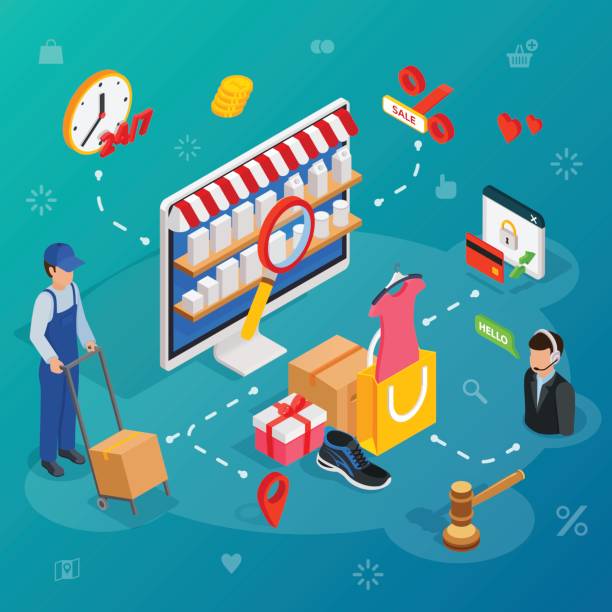
386 Direct Ship Illustrations & Clip Art - iStock

Despite how complete your item summary and media gallery are, an online buyer is bound to have inquiries before buying.

You can use a chatbot to answer questions about sizing, available product variants, ongoing discounts they can redeem, or even provide product recommendations based on their searches.

3. Upsell and cross-sell to shoppers
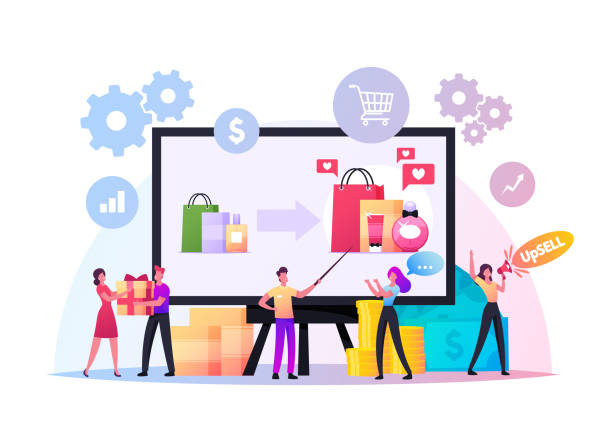
123 Upsell Stock Photos, Pictures & Royalty-Free Images - iStock

You go into a store to buy a pair of jeans but often leave with a matching shirt. That is because the salesperson has managed to sell you a good pair of jeans and cross-sell you from another product category.

A chatbot can assist you in doing this online. Based on what a consumer is seeking or what web page they are on, a chatbot can begin a discussion that helps them find other alternatives that may be better than the customer’s mind.

Similarly, based on the shopper’s intent, the chatbot can also recommend products that match what they were looking for. Think of it like product recommendations, but in an informal setting, like talking to the salesperson you met.

4. Preventing and recovering from abandoned carts
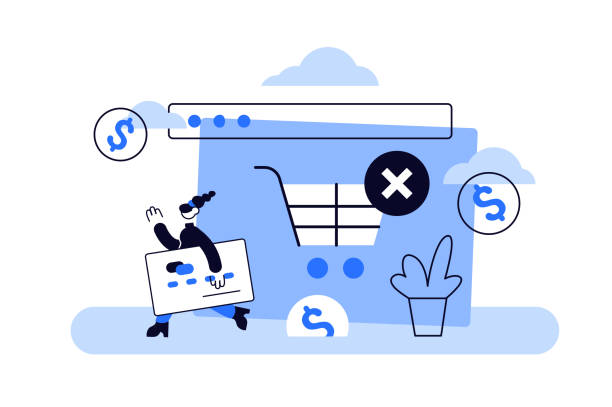
98 Abandoned Cart Illustrations & Clip Art - iStock

There can be multiple reasons why an online shopper abandons a purchase. With chatbots, you can prevent them from abandoning the cart or bring them back if they have already abandoned it.

For example, if you see a site visitor abandoning the cart and leaving your site or taking too long to move to the next step, you can utilize a chatbot to trigger a conversation and ask if the visitor needs aid. Whether calculating delivery costs, using a discount on the cart overall, or simply sharing return and exchange policies to put the site visitor comfortable, a chatbot can do anything to stop cart abandonment.

When a visitor has deserted the cart, they can use a chatbot on social media to advise them of the items they left. Can use the discussion to either bring the visitor back to the shop to complete the acquisition or to comprehend why they deserted the cart in the first place.

5. Keep your customers engaged
145,641 Customer Engagement Vector Illustrations & Clip Art - iStock

If you’ve been sending email newsletters to keep your customers engaged, it’s time to employ another strategy.

Chatbots are great for keeping customers engaged. Two-way conversation, as opposed to the one-way distribution of details and updates, is a lot more effective and gives you many more possibilities to learn more about the client better or market them something.

For example, when a customer has bought in your shop, you can utilize chatbots to send them product guidelines or introduce them to various other items that match their passions. You can use the customer’s responses to follow up with them and get them to revisit your store!

6. Collect customer feedback and reviews

35,587 Customer Feedback Stock Photos, Pictures & Royalty-Free Images - iStock

Chatbots are also highly effective at collecting customer feedback. Think of traditional emails asking for product feedback.

Visualize walking right into a store and being asked about your purchasing experience before leaving.

In the second case, you are likelier to share your feedback because it is a conversation, and we humans like to talk.

Chatbots allow you to proactively solicit customer feedback or request product reviews and ratings through various channels. In addition, chatbots can assess negative comments before it goes online, so you can deal with a client issue before it’s posted!

7. Provide easy order tracking and updating

55,298 Order Tracking Stock Photos, Pictures & Royalty-Free Images - iStock

Another excellent use case for a chatbot is order tracking.

While most e-commerce companies have automatic order status notifications set up, many consumers prefer to take matters into their own hands. Instead of enhancing the number of messages and calls you receive for order tracking, you can handle the requests with a chatbot.

A chatbot can pull information from your logistics provider and the backend of your store to inform the customer of the order status. It can also provide the customer with a tracking URL that they can use themselves to track the order or change the shipping address or delivery date to a time that suits them best.

Simply put, an e-commerce chatbot simplifies a client’s buying journey with a brand by bringing the conversation back to the digital world. And the good thing is that can use eCommerce chatbots at all the popular digital touchpoints consumers use today.

Where can you utilize eCommerce chatbots?

The great thing about eCommerce chatbots is that they can be implemented on multiple platforms, allowing businesses to be more proactive with their features and use cases.

Some of the most popular channels where eCommerce chatbots are used are:

1. Live chat (in your store)

Since 46% of customers prefer live chat over contacting them via email or phone, a chatbot is the first thing you should consider implementing in your online store. That will help you welcome new visitors, guide them on their path to purchase, provide assistance before, during, and after the purchase, and prevent shopping cart abandonment!

Chatbots have also been proven to improve customer experience and reduce bounce rates by keeping visitors engaged.

2. Facebook

According to a study by Facebook, many consumers interact with brands on social platforms to get more information about products, offers, and discounts. For this reason, implementing a chatbot on Facebook Messenger is essential.

With a Facebook Messenger chatbot, you can support customers you’ve discovered through Facebook stores, groups, or your marketing campaigns. Can use the chatbot to direct them to your website or alert them to ongoing offers and discounts they would find there.

3. Instagram

Studies have shown that nearly 150 million Instagram users have monthly conversations with a business on the platform. Instagram has become one of the most critical channels for customers to uncover brand-new brands and make purchases.

Commonly, businesses respond to DMs by hand. However, as the business expands, managing DMs and overseeing conversations (some of which are repetitive) can become too much. That is where Instagram chatbots can help.

You can use them in a similar way to Facebook chatbots. You can use a crossbreed chatbot to gather consumer info, offer item information, or guide them to your internet site, relying on what they are searching for.

4. WhatsApp

WhatsApp has over 390 million individuals alone, as well as with the launch of WhatsApp Organization API, eCommerce companies can utilize this individual base for their advertising and marketing.

There are over 5 million businesses on WhatsApp, and the number continues to grow to meet the demand for conversational commerce. But imagine answering customer queries on a chat app at scale is impossible!

WhatsApp chatbots can help businesses streamline messaging app communications and increase engagement in their program campaigns. We are seeing organizations use these chatbots to provide better customer support, recover abandoned carts, gather customer feedback, and more.

5. Telegram

Telegram is another messaging app used by businesses for marketing and customer support.

Like WhatsApp, you can establish eCommerce chatbots on the messaging platform to answer customer queries and keep them engaged, leading to more store visits and conversions.

But before you jumpstart and implement chatbots on all channels, take a quick look at a few of the best practices you should follow.

Best practices for using chatbots in eCommerce

A chatbot eliminates the obstacle between you and your customers by enabling seamless and proactive conversations. However, to get among one the most out of them, you must:

  • Identify your most used channels: Look into your analytics to identify your most important traffic sources; prioritize the chatbot implementation accordingly. Start with only the absolute must-haves.
  • Keep your chatbot flow simple and intuitive: Make sure communicating with your brand is simple. Think about the consumer first and foremost when implementing a simple flow.
  • Have your FAQs ready: Most consumers who contact businesses have recurring and common questions. Take note of these and create a comprehensive FAQ library that you can include in your chatbot flow to make information easier.
  • Use the chatbot throughout the customer journey: Don’t limit the utilize case of chatbots; know more about how you can utilize conversations to improve the customer journey before, during, and after a purchase.
  • Ensure handoffs: There will be moments when a chatbot cannot answer a customer inquiry; ensure there is a way to notify you and end the conversation immediately.
  • Integrate with your CRM: A chatbot collects customer data during the conversation. At a time when personalization is the order of the day, make sure you systematically record all the data. That is where integration with your CRM can be beneficial!
  • Monitor and optimize: Don’t establish chatbots and forget about them. Continuously learn how your customers interact with the chatbot and what you can do to improve their experience; a chatbot can help increase your revenue and sales.

Now you know why chatbots are essential, how to use them, and where not to miss another conversation. It’s time for you to establish an eCommerce chatbot!

FAQ

What is an eCommerce chatbot?

An eCommerce chatbot is an AI-powered technology used by online retailers to assist consumers at every phase of their purchasing journey as online shopping assistants.

How do I use an eCommerce chatbot?

Chatbots are a great way to engage with your audience and convert leads into customers. They’re able to understand natural language and respond appropriately to inquiries from consumers.

Looking For The Best E-Commerce Chatbot Software? Please Visit Engagerbot

Enjoyed this blog post? For more please visit Engagerbot.

You Might Also Enjoy

The post E-commerce chatbots: Every little thing you require to know about making use of chatbots to expand your online business appeared first on EngagerBot.


https://media.istockphoto.com/vectors/registration-abstract-concept-vector-illustration-vector-id1305268276?k=20&m=1305268276&s=612x612&w=0&h=OmqJgWReL0TGm9UXp21uFeYooLhoQ4SWLLz7tXH6eUk=
https://www.engagerbot.com/e-commerce-chatbots-every-little-thing-you-require-to-know-about-making-use-of-chatbots-to-expand-your-online-business/?utm_source=rss&utm_medium=rss&utm_campaign=e-commerce-chatbots-every-little-thing-you-require-to-know-about-making-use-of-chatbots-to-expand-your-online-business

Monday, 3 October 2022

What are chatbot marketing, benefits, and 11 strategies you can use in 2022?

What are chatbot marketing, benefits, and 11 strategies you can use in 2022?

Today, every company is competing for market share. While product quality and branding undeniably contribute to gaining market share, customer service is more important than anything else.

Have you decided never to revisit this company? You wouldn’t be alone. Many consumers no longer spend their money in stores offering poor customer service.

Chatbots offer an exciting new way to improve your customer service. At the same time, they can increase your advertising and marketing initiatives and incorporate them with your other advertising and marketing strategies.

Regardless of what type of digital products you sell, implementing chatbots on your website or social media can assist you in communicating with your customers in a new way.

It also works for B2B and B2C marketing. Depending on your preferences, you can use them on your website, a dedicated website, or on social media.

Right now, Facebook chatbots seem to be one of the most popular. They are easy to implement and monitor, primarily if you already use Facebook as a marketing channel.

We recommend you take an in-depth look at chatbots. They offer a variety of ways to stay in touch with your target audience.

But first, we’ll answer some usual concerns about chatbot marketing and show you the benefits and strategies you can use for your knowledge commerce business.

What is chatbot marketing?

Chatbot marketing is where you help your customers find what they need in your business by communicating with them through a bot. Like a text message chain, a chatbot simulates communication between two people.

You’ve probably interacted with a chatbot before. Maybe you were looking for clothes on a retail website when a box opened at the bottom of the page and prompted you to ask questions.

That’s a chatbot. Businesses are using them to speed up the buying process and guide customers to the best products for them.

However, chatbot marketing requires a strategic approach to chatbots. It would be best if you had a targeted strategy that outlines your goals and desired outcomes. Simply enabling a chatbot won’t help your business.

For example, you might use chatbot marketing to drive more conversions. In this case, the dialogue should focus on driving potential customers to your digital products – the ones that will benefit them the most.

However, you don’t need to stay awake around the clock or employ many customer service representatives to accomplish this task. Chatbots utilize artificial intelligence to have significant discussions with prospects, even when you’re not sitting at your work desk or on the phone.

“Think about chatbot advertising as a method to be regularly readily available to your clients. It’s like having your group of customer support reps standing by for your leads.”

We’ll enter into even more information regarding the advantages a little later. Initially, let’s discuss just how chatbot marketing jobs.

You probably have autoresponders and drip campaigns for your e-mail marketing list. You can do the same with chatbot marketing.

For example, let’s say you’re using a Facebook chatbot. To sign up, a prospect needs to send you a private message.

From there, you can send an automated response or a series of drip messages designed to get the prospect to convert. For example, you can ask questions about what the prospect is looking for and then direct them to your landing page for that product.

You can even segment your audiences to receive chatbot messages based on their position in the sales funnel.

Benefits

Numerous marketing and advertising channels are available, from e-mail marketing and SMS marketing to paid search and social media. You can blog, run contests on social media, and send cold e-mails.

Why would you want to include another channel?

That’s a relatively common question. After all, today’s business owners are pretty tired. Let’s look at some information to figure out why chat box marketing should be a priority for you.

First, messaging enjoys an extremely high adoption rate among consumers. One study’s 73% satisfaction rate surpasses that of e-mail and phone.

In addition, a 2015 study found that messaging improves many metrics, including cross-sell revenue, customer satisfaction, customer abandonment rates, and up-sell revenue.

The numbers speak for themselves. Even though some customers prefer e-mail, phone or SMS, many prefer to communicate with your chatbot and get their questions answered immediately. If they have an extra complex concern, your chatbot can refer them to the most effective choice approach to interaction.


While they may seem complex, chatbots are relatively easy to set up, monitor, and customize. You can test multiple platforms to see what works best for your business and tweak the messages you send to your prospects based on feedback.

Now, let’s look at some specific benefits your business can enjoy by implementing a chatbot.

Offer personalized interaction

One of the best advantages of chatbots is that you can personalize them more than an e-mail. For example, many brands use chatbots for status inquiries. A customer might want to know if their order has been received, and they can find out in seconds.

There are many other ways to personalize. After taking clients through a short survey, you can offer them product recommendations, fun or interesting facts, and other personalized messages. The responses are based on the survey answers, so you can be sure you’re delivering something that interests the prospect.

There’s something intimate and engaging about a conversation on a messaging service. For example, we’ve seen the meteoric rise in text messaging compared to phone calls, and WhatsApp reached one billion users in 2015.

This data shows that consumers like to communicate via instant messaging. Think of chatbot marketing as the excellent middle ground between phone and e-mail. It’s personal, but without the need to talk to someone on the phone.

Artificial intelligence has advanced rapidly in recent years, and experts predict it will continue to evolve shortly. As chatbots become more intelligent and intuitive, communication between your messaging service and consumers will become more personalized.

Why is this important? Because people crave personalization

Provide better and faster customer service

People often complain about customer service. They don’t like the wait times at restaurants, the poor recommendations at retail stores, or the endless elevator music businesses play while their customers wait to speak with an employee.

We live in a culture based on urgency. Everyone wants packages delivered the next day and their groceries within two hours. They don’t want to wait for anything.

However, that’s fine when you’re using chatbot marketing. When you’re away from your desk, the chatbot takes over and communicates directly with the consumer. Recommendations, answers to questions, and other messages are relayed immediately.

You don’t want customer service to mess up your company’s operations. That could prove disastrous, mainly when it involves your brand name equity.

With a chatbot, you can personally engage with your customers and immediately get them the necessary information. That is a great way to connect with customers and show that you care about their needs.

Remember that your chatbot doesn’t have to dominate the entire conversation. If you use Facebook, for example, you can always add personalized messages if needed.

Just make sure that every message you send is helpful to the user. You don’t intend to waste anyone’s time, but you want to point potential customers to relevant products.

Focus on customer retention, not just acquisition

Let’s face it, and most business owners focus solely (or at least primarily) on customer acquisition. It’s all about generating new leads and selling to people who have never heard of the brand.

There’s nothing wrong with acquiring new customers. Most businesses could not survive without this aspect of marketing.

Nevertheless, you can not forget about consumer retention. Individuals who have bought digital items from you are far more valuable than potential consumers who might acquire them in the future.

Think about it. When you see a restaurant, you’re more likely to purchase something you recognize you’ll see rather than take the chance of something that might be let down. Of course, some people are culinary risk takers, but it is the prevailing human tendency to stick to the safety plan.

The same is true for other products. If someone has purchased an online course from you in the past, They are more likely to join your subscription site than someone who has never worked with your company.

You can utilize chatbot marketing to remain in touch with existing customers and encourage them to acquire your latest products. For example, let them know about new releases and inquire about their progress with their first course.

Nurture leads through the entire sales funnel

We’ve discussed customer retention, but remember that people don’t become customers overnight. They often have a dozen or more touch points with a business before they buy something.

Therefore, business owners need to focus their attention not only on conversion but also on the rest of the sales funnel. Chatbots can help you nurture these leads as they compare their options, consider the features of your products, and otherwise think about their decision.

You can take the same approach you did with e-mail marketing. Write content that engages people at the sales funnel’s beginning, middle, and end.

Encourage potential customers to interact with you on social media

If we’ve learned anything in marketing, you can’t rely on a solitary channel to attract or retain clients. You need a multi-channel method to get to as much of your target audience as feasible.

That’s why it’s essential to integrate chatbot advertising with various other marketing and advertising strategies.

For example, you can use the chatbot to remind potential customers to follow you on Facebook, Twitter, Instagram, and other social media platforms. You can also point them to your latest blog posts or invite them to join your e-mail list.

Don’t go overboard with this. You want to show your consumers, as well as possible consumers, which means they can interact with you on social media sites; however, you do not wish to stumble upon it as marketing. When possible, try to sandwich these requests between other kinds of messages.

Establish alerts for vital messages

Another excellent chatbot function to discover is the capability to launch discussions with clients regarding signals. For instance, when your clients log into your subscription website, you can send a verification message.
That may look small, but it can significantly impact your brand awareness and customer support satisfaction rates. People want to be informed by brands about matters that directly affect them.

Alerts should be personal and urgent. Please don’t use them too frequently, as the messages could be perceived as spam.

11 chatbot strategies you need to adopt in 2022

By now, you know how your business can benefit from chatbot marketing. But how can you translate those benefits into solid results?

Several strategies and best practices can help businesses achieve better results with chatbots. Learning from your predecessors will give you a leg up on the competition.

That’s always a worthy goal.

Below are 11 actionable strategies to help your chatbot marketing campaign run smoother. We’ve highlighted some essential best practices that have worked for us and other brands.

1. Approach chatbot marketing like any other product

A chatbot is inherently like a product. You use it to help people buy your products, so you want as much interaction as possible.

Let people know they can claim your chatbot. Mention it on social media, include a CTA at the end of your blog posts, and mention the features and benefits your customers will enjoy when using the chatbot.

In other words, please don’t give it less attention than a new product you’re releasing for sale.

2. Promote your chatbot to encourage usage

Don’t hesitate to promote your chatbot when you talk about it. You can offer it a name and character to make it much more attractive.

The objective is to convince individuals that they intend to connect with the chatbot. Not only will they get helpful information, but they’ll have a good time doing it.

Promoting word of mouth can work very well. You can let your customers know you appreciate every referral they give to their friends and family.

3. Develop a landing page specifically for your chatbot

You most likely have landing pages for your products, e-mail opt-in types, and other functions, so do not allow your chatbot down. Create a landing page specifically for it.

You can include CTAs from any other source on this landing page. In the CTA, specify all the benefits the user will get from using the chatbot.

4. Speed up the process with Facebook plugins

Many brands prefer chatbots integrated with Facebook, such as Botsify and ManyChat. They are easy to use and allow you to get more value from the social media sites system you currently use.

Nevertheless, that does not recommend you need to utilize Facebook alone.

Several plugins allow you to integrate your Facebook chatbot with your website or other custom properties. For example, with some, you can automatically share your blog posts with your chatbot subscribers.

5. Promote your content via chatbot marketing

Speaking of content: Don’t focus your efforts solely on product promotion. Remember that your content can also help you make sales.

Chatbot messages that route your clients to the recent article can help them relocate via the sales funnel. They establish credibility and further immerse the customer in your business. That is always a good thing.

However, please don’t overdo it. If you share content seven times a day, it’s likely to irritate users and trigger them to eliminate you from their Facebook sphere of influence.

6. Prevent unneeded messages that might frustrate users

That brings us to the following factor: you need only to send out messages when it is essential. For example, if you are running a drip campaign, you should distribute the messages so that you do not annoy.

If the other person interacts with the chatbot, there is no reason to limit communication. Instead, it would be best if you encouraged it. Just don’t send too many unsolicited messages.

7. Write in clear, complete sentences

When you set up autoresponders for chatbots and other dialogue elements, you may be tempted to write in “text language.” Resist this urge.

Instead, write in clear, complete sentences, as well as use punctuation. You do not intend to harm your reliability by communicating like a young adult.

Many people utilize shorthand when interacting online. You can do this sporadically for funny impact, but you do not want every line to be phrases and other shorthand.

8. Choose a system that recognizes Text Speak

At the same time, don’t devalue people who communicate with your chatbot in text speak. These people may use abbreviations, acronyms, and other commonly accepted shorthand. Your chatbot should understand as much of this as possible.

For this reason, we recommend well-rated chatbot platforms. You can rely on their artificial intelligence is smart enough to recognize what your consumers, as well as prospects, are seeking.

9. Suggest numerous items when proper

One of the primary functions of a chatbot is to recommend you’re possible consumers the best product for their requirements.

Also, experienced sales associates who work with consumers face to face don’t constantly obtain every little thing right on the first try. You can’t expect a machine to do it better than a human.

When configuring your chatbot, you should suggest multiple products to each user. That way, they have a selection to explore.

Who knows? Customers may think they want one thing, then realize they need something else. You can also upsell and downsell offers this way.

10. Don’t try to hide the existence of the bot

Some brands mistake pretending that a bot isn’t a bot (or that a human hasn’t taken on the bot’s role). It is deceptive. Don’t fall into this trap.

There’s nothing wrong with using a chatbot; many consumers prefer it to communicate with a human. They want the facts – without editorializing.

You can provide your robot a name and make it “pleasant,” yet do not try to disguise its true nature. Your customers will recognize that it’s a crawler and value you less. Not because you utilized a bot, yet because you tried to hide it.

11. Maintain your branding regular

Chatbot advertising and marketing involve branding, just like any other marketing method. Even though customers are speaking with a maker, you want that machine to feel like a part of your brand name.

For example, if you use a lot of humor in your marketing and branding, make your chatbot funny. If you use a lot of abbreviations and conversational phrases, your chatbot should too.

You want the chatbot to give users a consistent experience – especially those who have been following your business for a while. They may not trust your chatbot’s recommendations and responses if they feel the connection is off.

Bottom line

It’s hard to keep up with technology. A new device or app has changed your perception of marketing whenever you turn around.

Chatbot marketing is just one instance. Unlike numerous other fads and trends, however, we don’t see this trend disappearing.

The most competitive companies and brands will be using chatbots in a big way, and now is the time to start. Learning and refining the process is easy when the technology is still in its infancy.

Of course, chatbots have been around for years. But it’s only now that they’re accessible to businesses large and small.

With chatbot marketing, you can have personalized interactions with potential customers and provide better customer service. It lets you focus on customer engagement and convert leads at every sales funnel stage.

A chatbot can also assist you in promoting your other social media presence and blog. And even when prospects and customers aren’t contacting you, you can use a chatbot to alert them to important events or circumstances.

If you launch a chatbot, however, you need to know industry best practices.

Make sure your chatbot is “friendly,” engaging, and marketable. Don’t hesitate to promote it through other channels.

Keep your communications professional but on-brand. You don’t want to send unnecessary messages that could irritate your subscribers. And make sure you choose a platform that meets your specific needs.

Make your marketing chatbot using our super easy point-and-click marketing chatbot software. We will make you a marketing chatbot to get more leads, conversions, and customer feedback or automate customer acquisition and support.

To get more information about chatbots, check out our Engagerbot site. You will certainly learn what it requires to create an efficient chatbot.

The post What are chatbot marketing, benefits, and 11 strategies you can use in 2022? appeared first on EngagerBot.


https://www.engagerbot.com/wp-content/uploads/2022/10/image.png
https://www.engagerbot.com/what-are-chatbot-marketing-benefits-and-11-strategies-you-can-use-in-2022/?utm_source=rss&utm_medium=rss&utm_campaign=what-are-chatbot-marketing-benefits-and-11-strategies-you-can-use-in-2022

Saturday, 24 September 2022

Important qualities of the efficient Modal robot

Important qualities of the efficient Modal robot

Exactly how can I utilize a modal robot for conversion?

There are various kinds of modal bots readily available. Some are free; others cost money. Whichever type you pick, you need never forget to follow the directions carefully. Otherwise, you might wind up losing a lot of time and effort.

Below are some ideas to keep in mind when utilizing a modal robotic

1) Ensure the robotic has been thoroughly evaluated before use.

2) Guarantee you do not click links or buttons within the modal home window. If you do, your session will undoubtedly be ended.

3) Do not close the modal window until it has finished its task.

4) Avoid clicking web links or buttons within the modal window. This may cause your session to be terminated.

5) Constantly check the terms of the modal robot before utilizing it.

6) Never share your login details with any person else.

7) Keep an eye on your conversation background after utilizing a modal crawler. You may be spammed by various other users using the very same modal robot.

8) If you are using a modal bot for the first time, make sure you read all the information the robot gives. It can conserve many problems if you understand how to utilize it effectively.

9) After using a modal bot, try to quit using it asap. The more frequently you use a modal bot, the less likely you will get good results.

10) If you want to make use of a modal bot for numerous functions, you should develop a separate represent each objective. In this manner, you will not unintentionally shed accessibility to your account.

11) Before you purchase a modal robot, see to it you know exactly what it uses. There are many different kinds of bots readily available online. Each of them provides something one-of-a-kind. Therefore, you need to find out what you desire from a specific crawler before you buy it.

12) Once you have bought a modal bot, you must install it on your site. Next off, you will require to set it as much as functions correctly.

13) Attempt to use only one modal robot at a time. Switching between crawlers can be perplexing for your visitors.

14) Don’t fail to remember to examine your modal bot regularly. This will help you to find any issues.

15) If your conversion price has dropped after utilizing the modal, you must transform your strategy. Possibly you need to add one more action to your sales channel. Or, perhaps you need to remove some actions. Whatever the case, you must undoubtedly readjust your approach as necessary.

16) Don’t anticipate miracles to happen promptly when checking a new pattern robot. It takes some time to understand this skill.

17) When you successfully implement a pattern bot, you will undoubtedly start seeing positive company changes. Your conversion price will enhance drastically.

18) To buy a Modal bot, you must recognize the rate. Many people believe that the less expensive it is, the better. Nevertheless, this is not constantly real. In some cases, the most expensive modeling robotics are likewise the most effective.

19) If you are trying to find a high-grade Modal bot, you should look into our list of top Modal. They are all trendy as well as popular brand names.

20) If you sell items through a modal, guarantee you consist of an item message in the modal. This will enable your consumers to surf your entire range without leaving your website.

Necessary functions of an efficient modeling robot

34% of UK employees think a robot would do a better job than their boss

1) Methods must constantly be put over the fold. This implies that it should appear immediately when someone visits your internet site.

2) See to it that your Modal is large and sufficient to accommodate all the material you wish to present.

3) Consist of a call-to-activity switch in your modal. Or else your visitors will close the window and leave your site.

4) You must only have one Modal on your web page simultaneously. Too many open windows can confuse your site visitors.

5) You should not utilize pop-ups or overlapping windows in your modal. These strategies will typically frustrate your site visitors.

6) To keep your visitors engaged, provide an incentive. For example, you can give them a discount code if you offer an item.

7) Your layout ought to match the remainder of your website. This creates the best user experience.

8) Text should be straightforward and easy to read.

9) Avoid utilizing photos in your templates. Instead, try making use of videos or GIFs.

10) Constantly keep in mind to evaluate the Modal before going real-time. This will undoubtedly make sure that whatever runs efficiently.

11) If you wish to boost website traffic to your site, you need to put your Modal on as many web pages as possible.

12) To convert more site visitors into customers, you need to ensure they can quickly locate what they are searching for

13) To enhance your overall click-through price (CTR), you need to concentrate on boosting your direct return price.

14) To increase the typical order value (AOV), you need to make your version look like a purchasing cart.

15) To take full advantage of earnings, you must use visitor discounts.

16) Do not fail to remember to include social sharing switches in your template. In this manner, site visitors can share the info with their buddies.

17) To build a count on your site visitors, you must reveal that you appreciate their privacy.

18) If your design template has a lot of information, you need to separate the message into smaller sections. This will make it less complicated for visitors to check out the web content.

19) Do not ask site visitors to fill out forms in a modal. This can cause protection problems.

20) Always consist of a thank you message at the end of your modal. This reveals that the site visitor appreciates your service.

21) When creating your Modal, bear in mind to consider the color scheme of your internet site. Your site visitors may not like the shades you pick.

22) It is necessary that the modal loads promptly. Otherwise, people will undoubtedly leave your website before seeing what you say.

23) Do not forget to include a link to your home page so visitors will wish to return later.

24) To urge site visitors to sign up for your e-newsletter, include a sign-up form in your template.

25) If you want to bring in brand-new clients, believe from the client’s viewpoint. What encourages them to visit your website?

What Makes Modal Bots So Powerful?

How to Block Bots From Coming to Your Website: Tools & Tips

People like interactivity. You can not violate that. With the bot design, visitors can not help yet be interested in what you need to use. You can turn your prospects from passive clients into energetic ones without them understanding. They engage extra actively with your web content and can not help yet act. It’s like being hypnotized. It’s a modal bot. Enhance the interaction of your Modal bots, and your conversion rate will instantly rise.

What makes Modal bots so effective is that they can instantly capture attention. When somebody goes to your page, they are welcomed with questions. These concerns are designed to engage individuals and make them want to click with your site. This interaction leads to conversions.

The best feature of Modal bot is that it doesn’t call for coding or setting skills. All you must do is create some specific HTML pages and install them on your website. That’s it!
Bot modal is likewise very easy to use. Include the code to your internet site as well as capture your visitors. As soon as you see these results, you’ll wonder why you did not think about them before.
Requirement crawlers are very flexible. They can be utilized for everything from basic details to intricate surveys. They can also be tailored to your needs.

  • Modal bots can be utilized
  • Call us
  • Obtain responses
  • Gather data
  • Sending out e-mails
  • Quick application download
  • Request changes

Searching for ways to increase conversion prices? Look no more than standardized robots. They are one of the most powerful devices for marketing professionals today.

Conclusion

We hope this guide has assisted you in much better comprehending bot models. There are many different kinds of bot modals, each offering something unique. We suggest attempting as numerous as feasible till you find the best one.

Enjoyed this blog post? For more please visit Engagerbot.

The post Important qualities of the efficient Modal robot appeared first on EngagerBot.


https://www.verdict.co.uk/wp-content/uploads/2018/11/workplace-automation-robot-boss-1038x778.jpg
https://www.engagerbot.com/important-qualities-of-the-efficient-modal-robot/?utm_source=rss&utm_medium=rss&utm_campaign=important-qualities-of-the-efficient-modal-robot

Monday, 22 August 2022

Chatbots in healthcare – efficient, interactive, cost-efficient as well as customer-friendly

Chatbots in healthcare – efficient, interactive, cost-efficient as well as customer-friendly

For many people, visiting the websites of health care providers or health insurance companies is a frustrating experience. While they can find a lot of information, it is often difficult to find the information they are looking for. That poses a problem because healthcare providers or insurance companies want to help their customers as quickly and efficiently as possible. Using a chatbot can be the ideal solution. But why? We want to explain that in more detail in this blog post.


An interactive and responsive communication

Nowadays, many healthcare websites are still entirely passive in their communication: the website offers a lot of information, but the customer searches and receives almost no help. Sometimes there are specific tools, like search engines, but the interaction comes almost exclusively from the customer. The significant advantage of a chatbot is that it is interactive and can have an honest conversation with users.

The interaction comes from both sides, and chatbots can guide customers to the information they need with great precision. It is an efficient, responsive, and comprehensive way of communication. And both users and providers take advantage of the bot: users find the information they need much faster, and businesses have accessible customer service available 24/7.


What do people think about communicating with chatbots?

When people have a choice between navigating a website with a mouse or having a (semi) conversation with a chatbot, many feel more comfortable interacting with the bot. Chatbots ensure that they engage customers in the conversation and, in turn, in their healthcare process. And that’s important to many people because it’s a significant and personal issue: a person’s health. Chatbots enable more human communication, so they use them well for “dialogic healthcare.”

It gives customers a personalized and proactive experience. And this is generally perceived as very pleasant by people. In addition, chatbots have advantages over accurate human contact with customer service because customers don’t need to constantly wait on the phone or be transferred from department to department. Is there anyone who doesn’t mind this? That’s right, no one. Everyone wants to get information as quickly as possible, and chatbots can significantly help.

Types of chatbots in healthcare

To develop a chatbot that engages users and provides them with solutions, developers should decide what type of chatbot would most efficiently achieve these goals. Therefore, they should consider the users’ purpose and the best help they need. Only then can developers build the right chatbot.

In healthcare, three basic chatbots are primarily developed – prescriptive, conversational, and informative. These three differ in the type of solutions they provide, the depth of communication, and their conversational style.

1. Prescriptive chatbots

Although prescriptive chatbots are conversational by design, they are developed to provide instructions or answers and offer therapeutic solutions.

2. Conversational chatbots

Conversational chatbots are developed as contextual tools that offer answers depending on the user’s purpose. Nevertheless, a conversational chatbot has different maturity levels – not all offer a similar intensity of the conversation.

Conversational chatbots with a higher level of intelligence can offer more than ready-made answers and understand the context better. These chatbots look at a conversation and don’t just process individual sentences. You can expect more personalized responses when a chatbot has a higher intelligence level.

That is when conversations start to mimic human interactions. Conversational chatbots use NLU (Natural Language Understanding), NLP (Natural Language Processing), and AI applications that run devices to understand human intent and speech.

3. Informative chatbots

Informative chatbots offer valuable data to users, sometimes in the form of breaking news, notifications, and pop-ups. Typically, these bots provide automated customer support and data. Mental health and health news websites also use chatbots to access more detailed data on a topic.

Any chatbot you create that will offer health recommendations needs to take a hard look at the rules that apply to it. Chatbot developers need to use different chatbots to engage and value their audience. You need to know your audience, what best suits them, and which chatbot is suitable.

There are things you are allowed to say and things you are not allowed to say, and there are guidelines for how you are allowed to say things. In this environment, you will need to seek legal advice when developing this part of your chatbot.

Use cases for chatbots in healthcare

Since artificial intelligence is still an innovation in healthcare, these tools cannot be fully responsible for patient engagement beyond customer service and other essential tasks. However, some great use cases where AI can help in healthcare.

Here are some usage cases of chatbots that describe the potential benefits they promise to patients, healthcare providers, and physicians:

1. Customer service or administration

Log into almost any website these days, and a chatbot is waiting to help you navigate the site or solve a small problem. As a result, chatbots will continue to help users navigate their healthcare services. In this regard, chatbots may issue reminders, schedule appointments, or help refill prescription medications in the future.

There will be some HIPAA and privacy difficulties before this technology becomes commonplace. Undoubtedly, these customer and administrative service functions are just on the horizon.

2. Health tracking

Patients who need regular healthcare support can also take advantage of chatbots. For example, medical providers can use bots to connect patients with doctors.

Such bots can provide detailed health records and help analyze the effects of prescribed medications.

3. Mental health

Various bots provide users with a human experience to make them feel like they are talking to a natural person. For many people, talking about their feelings and fears is very helpful in improving their mental health.

For such patients, a Conversational Health Bot can be an outlet to discuss their feelings. If their needs are beyond the bot’s capacity, a health professional can easily step in and reference the interactions between the chatbot and the patient.

4. Employment and training

Large healthcare agencies are constantly hiring and training new employees. Processing these applications usually involves a lot of paperwork that needs to be filled out and credentials that need to be double-checked. The task of HR departments will be simplified by connecting chatbots to these facilities.

For example, new employees could sign up with chatbots and be integrated into the onboarding process for new employees or receive data about the company.

A company can use chatbots to send files to new employees as needed, automatically remind new employees to fill out their forms, and automate various other tasks, such as requesting maternity leave, vacation time, and more.

5. Patient engagement

Chatbots should not only actively capture but also engage patients’ interest in their requests in case the technology can further engage patients to improve outcomes.

Despite the nutritional analysis surrounding the problem, the right technology will strengthen the bond between patient and provider, not break it.

Sometimes physicians refer their patients to journals and then return a week later. But tech-savvy people aren’t waiting for something to be discussed in a week.

Patients have many expectations of healthcare in this world where everything is on-demand. Therefore, healthcare providers should accept constant accessibility with the help of AI. However, they will do it if you can make it easier for them by offering something practical, relatable, and entertaining.

6. Research or treatment

Harnessing the power of data is another way – especially machine learning – to evaluate data and studies faster than ever before. With the constant influx of new cancer research, keeping records of experimental decisions is difficult.

A physician may be unable to read and stay ahead of every new research paper, but a device can. An AI-enabled device can sift through all the information and make solid suggestions to patients and physicians.

Perhaps this use case relates more to the advances that machine learning will bring, but the extraction of this data can and could very well be in automated forms of support and advice. Instead, one can surmise that there will be a link between the automated discovery of relevant data and its provision, all to offer more personalized treatment.

7. FAQs (Frequently Asked Questions)

The FAQ section is one of the most common elements on websites. Some providers convert this section into an interactive chatbot feature on their homepage to answer basic questions. Hospitals and clinics do this to make it easier for users to research data.

Chatbots can answer questions such as what the payment rates are, what documents are essential for treatment, what the hours of operation are, and how much insurance will cover.

This way, a chatbot functions like a one-stop store, answering all basic inquiries in seconds. Patients don’t need to call the clinic or spend time browsing the website to find the needed data.

8. Billing and claims

No one wants to deal with medical bills, insurance agencies, and claims. Fortunately, healthcare AI bots can help with these tasks. Healthcare bots can check current insurance coverage, help submit claims, and track the status of those claims. In addition, these bots can help doctors with billing inquiries and the pre-authorization process.

Are chatbots safe?

We’ve already indicated that healthcare is a personal and vital issue for everyone. Logically, this also applies to the information that healthcare providers and health insurers handle. Must handle personal data carefully and securely. Can chatbots provide this? It is entirely possible that can develop chatbots with the highest security standards. Can compare the security of chatbots to that of large corporations. Not only do they provide enhanced security, but they also allow managers to monitor chatbot distribution and usage exclusively. In addition, many chatbots also support all cryptographic security requirements to protect an institution’s data.

And that’s not all.

Chatbots can do more than deliver information. Bots have many functionalities: they can also help support the healthcare facility or insurance company’s team. For example, they can organize the information provided by customers and alert the staff when the patient needs help or when there are urgent changes in the customer’s status.

Chatbots are also ideal for the tedious routine tasks that the front office of your organization has to do. For example, they can streamline admission, discharge, and transfer requests, schedule appointments, and send and receive references. They can also update medical history systems and send prescription refill notifications. And when a patient attends an appointment, chatbots can automatically send all the necessary information to the parties involved (such as the doctor, receptionist, etc.).

That can ensure that the facility’s system runs even more smoothly. Market researchers predict that savings from using chatbots in healthcare will increase sharply in the coming years. That is not surprising, as bots will provide patients with faster and easier access to healthcare and reduce the burden on systems.

In short, chatbots are flexible, cost-effective, and interactive and can therefore provide a high-quality patient experience.

Have you checked out our Healthcare Chatbot?

It helps ensure your website is in tip-top shape. Check it out now here: Healthcare Chatbot

The post Chatbots in healthcare – efficient, interactive, cost-efficient as well as customer-friendly appeared first on EngagerBot.


https://www.engagerbot.com/wp-content/uploads/2022/08/image.png
https://www.engagerbot.com/chatbots-in-healthcare-efficient-interactive-cost-efficient-as-well-as-customer-friendly/?utm_source=rss&utm_medium=rss&utm_campaign=chatbots-in-healthcare-efficient-interactive-cost-efficient-as-well-as-customer-friendly

Wednesday, 27 July 2022

Why chatbots on social media are the future of communication

Why chatbots on social media are the future of communication

In April 2016, Facebook CEO Mark Zuckerberg revealed that third parties could use the FB Messenger platform to create their chatbot. Marketers were excited because they could now use chatbots on the front end and back-end operations to manage the company’s brand online through seamless, real-time conversational experiences with customers. That got the whole world talking about this artificially intelligent technology and how you can use it for your business.

For Facebook, however, the game didn’t go as planned as the hype died down a bit, and chatbots began to disappear from social media. It seemed as if social media marketers didn’t know how to leverage this fantastic new technology. However, at that time, several technology companies took the idea of bots seriously. They started developing these programs that used artificial intelligence and other advanced technologies such as machine learning, NLP, and natural language understanding. That meant that bots were now becoming self-learning virtual assistants. Almost every company with a virtual presence today has already installed a virtual assistant on its website or is seriously considering using one for sales preparation, customer service, customer support, and various other purposes.

What are chatbots?

But first of all, we should understand what exactly chatbots are? Simply put, they are computer programs designed to mimic human intelligence when chatting or conversing. They use the process of deep learning and recognize the language, data, and specific patterns and then use these preset phrases by transmitting them through layers of the network to provide accurate results (answers) when confronted with the same question.

Why chatbots?

  • Conversations are easier to have: As SMS has evolved into instant messaging, users have adapted to the use case – it’s easy and very convenient. People feel a new, intimate connection when they text with a brand.
  • Websites are clunky: The problem with many websites is that they have different structures and communication patterns – a website UX designer doesn’t necessarily have to think like the end user. The user has to deal with a lot of mental pain. The user’s messaging experience (MX) is much more streamlined and universal. If you learn to use one, you can use them all.
  • Apps are redundant – App fatigue: Apps are more prominent when you download them and more cumbersome to use – they take up too much space, sit on top of the phone, and are hardly used. Most users use 3 to 5 apps on their phones and pay no attention to many others. 65% of users did not even download a new app in 2014 / 2015.
  • Discoverability: One of the most significant advantages of bots is their discoverability, especially in a dominant messaging app. Messenger, for example, is dominant in specific markets, allowing companies to market a bot and make it easier for users to discover. You scan a code and are in the conversation and flow. It’s as simple as that.

The modern marketer’s best friend

Apart from being at the top of every company’s digital strategy due to their multiple benefits such as availability, ability to process large volumes, avoidance of human errors, low maintenance costs, and time savings, these digital assistants have also carved a place for themselves in a company’s marketing strategy.

By embedding them in your website to handle customer queries, chatbots have started to add value and improve user experience by providing impeccable customer service. Today, these chatbots are equipped with artificial intelligence beyond a series of specially programmed questions. The technology improves with each instance, handling more types of queries without the need for reinstallation.

How can chatbots be utilized on social media platforms?

Creating Twitter and Facebook bots to promote your business has become relatively easy. Installing chatbots on these platforms has become an exciting option for marketers to build a more personal and face-to-face relationship with their users. Gone are the days when media networks were only considered experimental grounds for evaluating chatbots‘ effectiveness! Let’s take a closer look.

Every month, one billion people use Facebook Messenger. According to a record, over 100,000 bots are used in FB Messenger for many purposes, such as product recommendations, collecting information, processing orders, etc. Therefore, installing a chatbot in this application on your company’s homepage is an effective option to consider. Creating a FB Messenger chatbot is just what you need if your audience uses this messenger. You can connect with potential clients, automate customer contacts and interactions, and do many other tasks.

Similarly, the Twitter chatbot is another platform where you can connect with your customers on a more general basis and recommend your products and services. By extending the human experience by simply starting to greet people proactively, giving quick responses, providing better guidance, using emojis, and personalizing the experience, you can take your social media bot strategy to another level.

Reasons why chatbots are the future of communication

Chatbots are having a positive impact on businesses and industries. We’ll show you the reasons why chatbots are the future of communication and customer service

Improved user interaction

Chatbots offer businesses a way to better interact with users. Chatbots can effectively facilitate more extended conversations when a customer visits your business platform; whether through Facebook Messenger or the website, the chatbot can initiate a chat with your customers and provide real-time solutions. Natural language processing technologies allow computers to understand human languages, and chatbots can now understand the context of any conversation and provide answers that feel “human.”

Most companies give their chatbot a personality that reflects their company’s vision and goals to enhance the customer experience and branding. That can strengthen relationships with customers and drive brand loyalty. 

Bots are “ubiquitous”

Today, customers are ubiquitous online. They’ve also become more sophisticated. Whether through social media, instant messaging platforms, text messaging, or email, their need for seamless customer service is insatiable. The requirement for businesses to have a presence on these multiple platforms is now more pressing than ever. Chatbots can integrate with multiple platforms to seamlessly meet the needs of customers. Many companies are deploying chatbots for this purpose. Pizza Hut, for example, is currently using chatbots to facilitate orders via instant messaging apps like Facebook Messengers, Whatsapp, etc.

Engaging your customers in their preferred medium can increase customer retention rates, which is essential for your return on investment. 

Managing large volumes of requests

Chatbots are practical customer support tools. They are capable of dealing with a high volume of customer inquiries and questions through the process of automation. With chatbots, you don’t have to worry about large chat volumes. A solitary chatbot can simultaneously chat with hundreds of clients without human assistance. Since chatbots are digital software, they work continuously without having to rest or take a meal break. It helps you save costs and time.

Live agents can be overwhelmed with the flood of visitor requests while chatbots continue their high performance. You don’t want to hold up your clients and cause them to get frustrated or migrate to your competitors because they respond too slowly and spend too long on hold. We live in an age of real-time, direct communication, and chatbots are ideal for delivering a great customer experience regardless of the number of customers. 

Support or complement human agents

Chatbots can effectively handle repetitive and monotonous tasks. That boosts the spirit of your business and keeps your human employees motivated and vitalized. Your human employees will focus and invest their time in complicated and laborious tasks that best utilize their intellect. With the use of chatbots, the efficiency of your business will increase as chatbots will complete their tasks quickly and seamlessly. Chatbots can also provide a customized interactive experience for customers when integrated with a recommendation engine or through machine learning. 

More and more companies are deploying chatbots on social media, and the statistics only confirm this. More than 50% of companies using social media are already using chatbots. It is estimated that more than 80% of companies will take advantage of the benefits that chatbots can bring to their business.

Have you checked out our Social media chatbot yet?

It helps you keep your website in tip-top shape. Check it out now here: Social Media Chatbot

Enjoyed this blog post? For more please visit Engagerbot.

The post Why chatbots on social media are the future of communication appeared first on EngagerBot.


https://www.engagerbot.com/wp-content/uploads/2022/07/image-16.png
https://www.engagerbot.com/why-chatbots-on-social-media-are-the-future-of-communication/?utm_source=rss&utm_medium=rss&utm_campaign=why-chatbots-on-social-media-are-the-future-of-communication

What makes InPage Bots so powerful?

What makes InPage Bots so powerful? In this affordable online world, services should locate innovative ways to convert site visitors into c...